37 results filtered by

Coin Center supports a new lawsuit to oppose legal reasoning that would require just about everyone in crypto get a money transmission license

What it means and what happens next

Analysis: The disappointing denial of Tornado dev’s motion to dismiss
Inconsistent choices amid overlapping law skips over the serious issues at play and sets up for a dangerous precedent
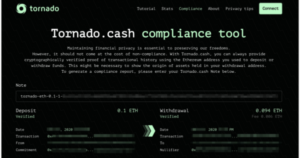
Coin Center files court brief in defense of Tornado Cash developer
The publication of Tornado Cash code is clearly protected by the Constitution

While portions of the proposal may be workable, much will depend on how legislation is ultimately drafted
New Tornado Cash indictments seem to run counter to FinCEN guidance
Our initial thoughts on a case that could potentially criminalize the publication of software code

Nothing about the bill would prevent the next FTX. In fact, it puts users at more risk.

Tornado Cash is no “golem.” It’s a tool for privacy and free speech.
A rebuttal of a recent article in Lawfare by Henry Farrell and Bruce Schneier

Coin Center is suing OFAC over its Tornado Cash sanction
OFAC does not have the authority to sanction a smart contract and Americans have a right to use privacy tools
1. Introduction In August 2022, the US Treasury’s Office of Foreign Assets Control (OFAC) sanctioned Tornado Cash, adding 45 Ethereum addresses to the Specially Designated Nationals (SDN) List of sanctioned...